

Marketing isn't just about selling anymore. Your customers face real problems every day, and they're tired of companies pushing products without understanding their struggles.
Most businesses focus on showcasing features and benefits, leading to wasted budgets and frustrated customers.
You're essentially talking to an empty room when you keep broadcasting your message without listening to customer pain points. Your marketing efforts become nothing more than background noise.
Let's transform your marketing approach into a problem-solving powerhouse. We'll explore proven strategies to identify customer challenges and create solutions that naturally draw people to your brand.
Key Takeaways
- Inbound marketing solves client problems, builds trust, and naturally attracts loyal customers.
- Research customer pain points online through forums, social media, and competitor reviews for actionable insights.
- Gather feedback from support tickets, reviews, and surveys to identify areas for improvement and create better solutions.
- Use social networks to monitor trends, engage with customers, and address emerging issues in real time.
- Create helpful blog posts, free learning materials, and video tutorials to provide practical solutions for customer challenges.
- Build a help centre with FAQs, guides, and troubleshooting resources to empower customers with self-service options.
- Send personalised emails addressing specific problems to nurture leads and build stronger customer relationships.
- Host live Q&A sessions and develop community support groups to foster engagement and peer-to-peer learning.
- Continuously improve your product or service based on customer feedback to stay relevant and solve evolving challenges.
How Inbound Marketing Solves Client Problems
Every business faces a common challenge: turning potential customers into loyal clients. Inbound marketing tackles this by focusing on what matters most — solving real problems that keep your customers awake at night.
When you shift from selling to solving, you create genuine connections that naturally draw people to your brand.
Research shows that companies using inbound marketing strategies see a 61% lower cost per lead than traditional outbound methods. Additionally, inbound practices produce 54% more leads than traditional outbound practices, and 82% of marketers who blog see positive ROI.
That being said, many businesses still struggle with their marketing approach.
They focus too much on promoting products rather than addressing customer pain points. This often leads to wasted resources and missed opportunities to build lasting relationships with clients who need genuine solutions.
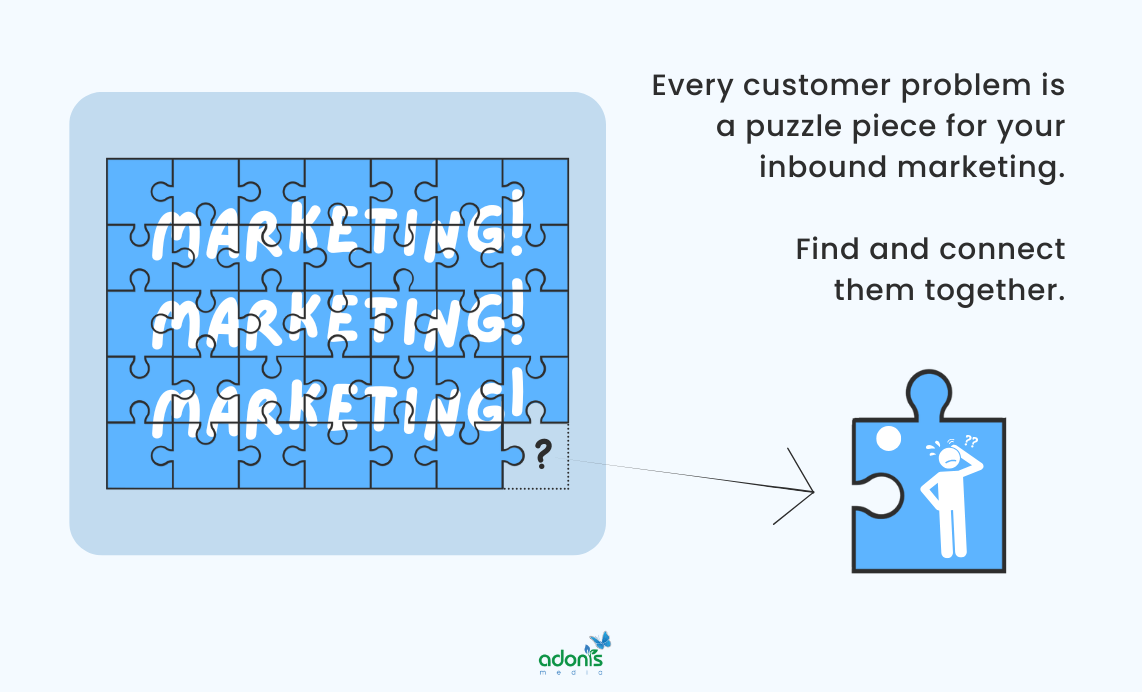
The key to successful inbound marketing lies in understanding that every piece of content, every email, and every interaction should aim to help your customers overcome their challenges. By becoming a trusted problem-solver rather than just another service provider, you create a sustainable marketing strategy that naturally attracts and retains clients who value your expertise.
How to Source Problems
Finding client problems isn't guesswork. It's a skill that requires careful attention and the right tools.
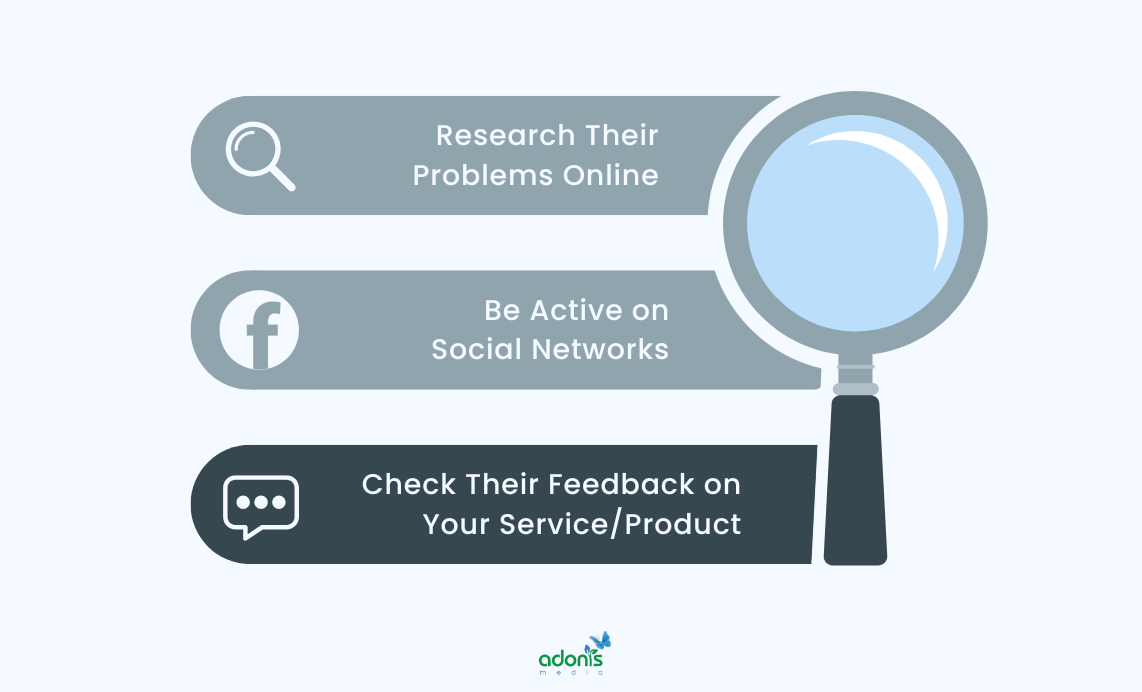
When you know where to look, you'll discover valuable insights that shape your marketing strategy and help you create solutions that truly matter. Let's explore three powerful methods to find them.
Research Their Problems Online
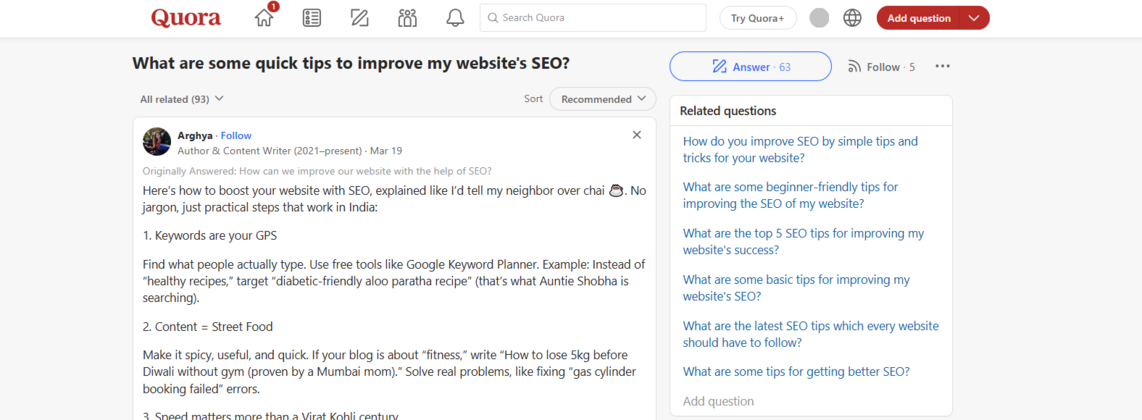
Online research helps you discover what your customers truly need, not what you think they want. By studying their online behaviour, comments, and discussions, you can spot patterns in their problems and create targeted solutions that address their actual concerns.
Top places to find valuable customer insights online:
- Industry-specific forums where your target audience discusses challenges
- Reddit communities related to your field
- Question-and-answer sites like Quora
- Google Trends for search patterns
- Customer review sections on competitor websites
- Professional networking groups on LinkedIn
By diving deep into these online spaces, you'll gather genuine insights about your customers' needs, helping you create solutions that truly resonate with them.
Be Active on Social Networks

Social networks offer customer insights when you know where to look. By actively monitoring conversations, comments, and discussions, you can spot emerging problems and trends before they become widespread issues in your industry.
Top platforms to actively monitor customer discussions:
- Industry-specific Facebook Groups
- X (formerly Twitter) conversations using relevant hashtags
- LinkedIn professional communities
- Instagram comments and direct messages
- YouTube video comments
- TikTok trending discussions
By staying active and engaged across these platforms, you'll catch problems early and create solutions that keep you ahead of your competition. Remember, social listening isn't just about responding to mentions, but more on understanding the deeper needs of your market.
Check Their Feedback on Your Service/Product

Understanding customer feedback is crucial for spotting problems you might have missed. By examining support tickets, positive and negative reviews, and direct messages, you can uncover valuable insights about what's working and what needs improvement in your business.
Top places to gather customer feedback:
- Customer support tickets and chat logs
- Product reviews on your website
- Social media comments and messages
- Post-purchase surveys
- Customer service call recordings
- Email responses to your newsletters
By regularly reviewing these feedback channels, you'll spot patterns in customer concerns and create targeted solutions that directly address their needs. Remember, every piece of feedback is an opportunity to improve your service.
How to Create Solutions
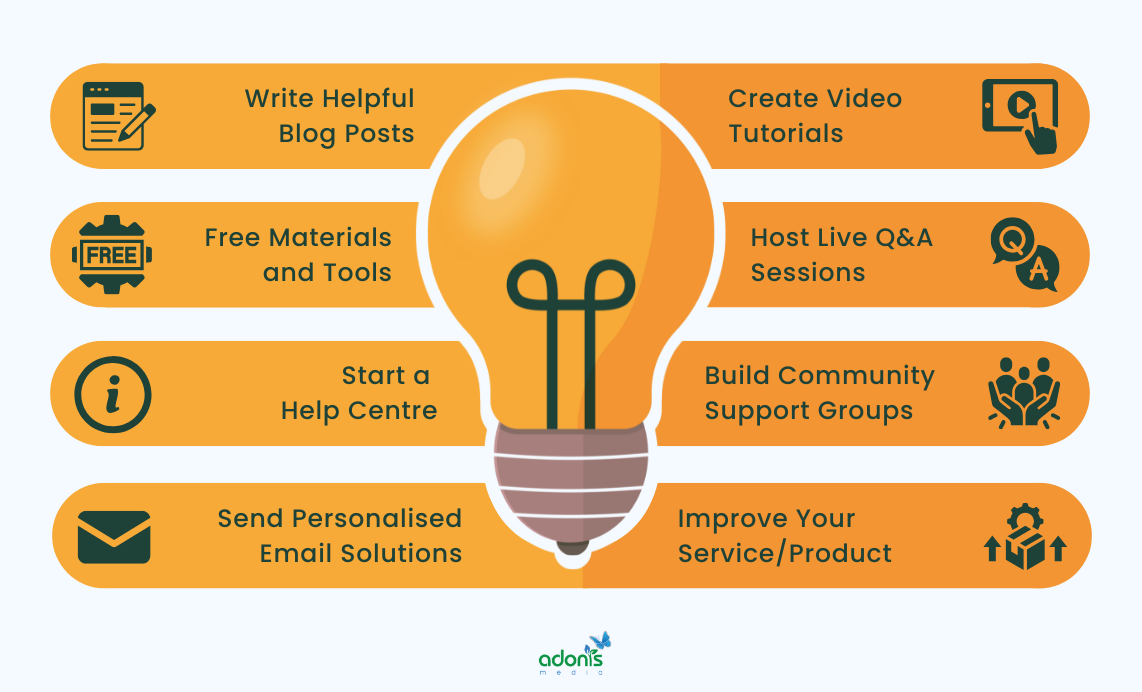
Once you've uncovered your customers' problems, crafting solutions that truly work is the next step.
There are multiple ways to deliver value that keeps your clients coming back. Let's explore these practical solutions to help you make a real difference for your customers.
Write Helpful Blog Posts
Blog posts are your direct line to solving customer problems through valuable, actionable content. Rather than focusing on sales pitches, your blog should provide precise solutions that readers can implement straight away, building trust and establishing your expertise.
When creating problem-solving blog posts, focus on showing rather than telling. Share practical examples, step-by-step guides, and real solutions addressing your readers' specific challenges. This approach helps readers picture themselves using your solutions.
Here's what makes a blog post truly helpful:
- Clear, actionable steps readers can follow
- Real-world examples that demonstrate solutions
- Practical tips that can be implemented immediately
- Stories from customers who solved similar problems
- Visual guides or diagrams that explain complex concepts
By consistently delivering valuable blog content that solves real problems, you'll build a loyal readership that turns to you first when they need solutions in your field.
Offer Free Learning Materials and Tools
Free learning materials serve as powerful problem-solving tools that give immediate value to your customers. By creating downloadable guides, templates, and free tools, you provide practical solutions that help users tackle their challenges without a hefty price tag.
These materials work as round-the-clock problem solvers for your audience. While blog posts offer guidance, downloadable resources give people the actual tools they need to implement solutions, making your brand invaluable to their success.
Types of free materials you can offer:
- Step-by-step workbooks
- Customisable templates
- Video training modules
- Calculation spreadsheets
- Resource libraries
By offering these materials freely, you position your business as a trusted solution provider while building a strong foundation for future customer relationships.
Start a Help Centre
A help centre is your business's knowledge hub where customers can find instant solutions to their problems. Creating an organised collection of guides, FAQs, and troubleshooting resources gives customers the power to solve issues on their own time.
A well-structured help centre reduces support tickets while increasing customer satisfaction. Customers who find answers quickly feel more confident using your products or services and are more likely to stick with your brand.
Essential elements of an effective help centre:
- Searchable FAQ database
- Video demonstrations
- Step-by-step tutorials
- Product documentation
- Common troubleshooting guides
- Regular content updates
Creating a comprehensive help centre shows customers you're committed to their success, not just making sales. This resource becomes more valuable over time as you add solutions to new challenges.
Send Personalised Email Solutions
Email marketing becomes powerful when you focus on solving specific customer problems rather than pushing for sales. By tailoring your messages to address individual challenges, you create meaningful connections that lead to higher engagement and better conversion rates.
Personalised emails work because they show customers you understand their specific needs. When you send targeted content that addresses their problems, you're more likely to keep their attention and earn their trust as a problem-solving partner.
Key elements of problem-solving emails:
- Problem-specific subject lines that grab attention
- Solutions based on customer behaviour
- Clear, actionable advice
- Links to relevant resources
- Follow-up content that builds on previous solutions
- Case studies showing real results
When you consistently deliver emails that solve real problems, you build lasting relationships with customers who see you as more than just another business in their inbox.
Create Video Tutorials
Video tutorials transform complex solutions into easy-to-follow visual guides that customers can watch at their own pace. Unlike written content, videos show exactly how to solve problems step-by-step, making it easier for visual learners to grasp solutions quickly.
Videos have become essential tools for problem-solving, with many customers preferring to learn about products or services through video format. This shift in learning preferences makes video tutorials vital to your solution-based marketing strategy.
Essential elements for effective video tutorials:
- Clear step-by-step demonstrations
- Short, focused segments
- Screen recordings for software tutorials
- Captions for accessibility
- Downloadable resources mentioned in videos
- Problem-specific playlists
Creating focused video tutorials helps build your library of visual solutions while giving customers the confidence to solve problems independently.
Host Live Q&A Sessions
Live Q&A sessions create direct connections with your audience while solving their problems in real time. These interactive sessions allow you to address specific challenges immediately, demonstrate solutions, and build stronger customer relationships.
Live sessions have become crucial to problem-solving marketing because they remove barriers between businesses and customers. When people get immediate answers to their questions, they're more likely to trust your expertise and return for more guidance.
Key components of successful Q&A sessions:
- Structured agenda with common problem themes
- Live demonstration of solutions
- Interactive problem-solving segments
- Expert guest speakers
- Recording availability for later viewing
- Follow-up resource sharing
Running regular Q&A sessions positions your business as an accessible expert while gathering valuable insights about your customers' evolving needs.
Build Community Support Groups
Community support groups create spaces where customers help each other solve common challenges while building valuable connections. These groups foster peer-to-peer learning and support, creating a sustainable ecosystem of solutions that extend beyond your direct involvement.
Community groups strengthen customer relationships by creating a network of shared experiences and solutions. When customers connect with others facing similar challenges, they're more likely to stay engaged with your brand and share their success stories.
Essential elements of thriving support communities:
- Moderated discussion spaces
- Weekly problem-solving threads
- Success story sharing
- Peer mentoring programmes
- Expert-led sessions
- Resource sharing channels
Building an active community helps create a self-sustaining support system where customers become advocates for your solutions while assisting others to succeed.
Improve Your Service/Product
We can't deny this. Sometimes, our product or service is also the source of customers' frustration.
Product improvement isn't just about adding new features. It's about making changes that directly solve customer problems. When you use customer feedback to guide your development, you create solutions that people actually want and need, leading to better retention.
Regular improvements show customers you're listening and adapting to their needs. This ongoing refinement process helps you stay relevant while addressing the evolving challenges your customers face in their daily operations.
Essential areas for service improvement:
- User experience updates
- Feature enhancements based on feedback
- Performance optimisation
- Customer support processes
- Quality control measures
- Integration capabilities
Making continuous improvements based on real customer needs helps you build a product that truly serves your market while setting your business apart from competitors.
Further Learning
Looking to learn more? I've collected some fantastic resources that go hand-in-hand with this topic if you want to dive deeper.
- wordstream — Pain Points: A Guide to Finding & Solving Your Customers' Problems
- maze.co — Customer research: Methods for better products and happier customers
- givainc.com — 12 Top Techniques for Customer Service Problem Solving
- reddit.com — Reddit r/smallbusiness Thread: "Solving the next customer problem"
- reddit.com — Reddit r/Entrepreneur Thread: "How do you identify the deepest problems of your customers?"
- quora.com — Quora Discussion: "What is an example of inbound marketing to help me understand it?"
Turn Problems into Opportunities
Transforming your marketing into problem-solving isn't just a strategy — it's a complete shift in how you connect with customers.
By researching their challenges, creating helpful content, and building supportive communities, you're not just selling products but providing real solutions that make a difference. When you focus on solving problems first, sales naturally follow, and customers become loyal advocates for your brand.
Ready to transform your marketing approach? Don't hesitate and book a free consultation with our team of marketing experts. We'll help you identify your customers' biggest challenges and create a strategy that turns problems into opportunities for growth.
You may also try our Inbound Marketing ROI Calculator to measure the impact of your inbound marketing efforts.
Got a question in mind? Check out the FAQs below for quick answers!
