
Running email campaigns but not seeing the results you want? You are not alone.
Many businesses struggle to connect with their subscribers, leading to low open rates and minimal engagement.
Those unopened emails aren't just numbers. They represent missed opportunities, lost sales, and wasted effort. Every ignored message chips away at your marketing budget, while your competitors might be successfully reaching their audience and growing their business.
Let's explore the world of email marketing together, from understanding the basics to creating campaigns your subscribers will look forward to receiving.
We'll show you how to turn those numbers around!
Key Takeaways
- Email marketing is a form of digital marketing that uses email to engage, promote, and communicate with customers.
- Email marketing remains a powerful tool, offering cost-effective and personalised communication with high ROI and measurable results.
- Different email types, such as welcome, promotional, and transactional emails, serve unique roles in effectively engaging your audience.
- Automation streamlines workflows, delivers personalised content at scale, and nurtures leads with trigger-based campaigns.
- Choosing the right email marketing platform depends on your needs, budget, and business size, from startups to large enterprises.
- Email marketing strategy includes setting SMART goals, choosing an appropriate email marketing platform, building quality lists, planning content, complying legally, and testing and optimisation.
What Is Email Marketing?
Email marketing is a type of digital marketing that utilises email to engage, promote, and communicate with current and potential customers. It includes both broad email blasts to all subscribers and targeted messages for specific audience segments.
Since its inception in the 1970s, email marketing has evolved from simple text-based messages to include multimedia content and interactive experiences. With advances in automation, segmentation, and mobile optimisation, it helps businesses reach global markets, boost engagement, and generate revenue.
Let's look at some eye-opening statistics about email marketing:
- Email is set to be the largest and most lucrative marketing channel, with 4.59 billion users by 2025
- For every $1 spent on email marketing, businesses see an average return of $36, which gives a 3,600% ROI
- Personalised emails achieve 26% higher open rates
- Automated email campaigns reach an impressive 42.1% open rate and 5.4% click rate
- 99% of email users check their inbox daily, with 69% of marketers using email to distribute their content
These numbers show why email marketing often outperforms other channels. It's more direct, targeted, and personal. Don't forget the ROI of email marketing as well.
While social media's popularity continues to grow, email marketing remains a valuable tool for businesses of all sizes up to the present. The most successful digital marketing strategies use both channels' strengths to complement each other, integrating them to maximise their benefits.
Benefits of Email Marketing
Email marketing remains one of the most powerful tools in a marketer's arsenal, offering unmatched advantages for businesses. With its blend of effective communication and measurable impact, it's no wonder that savvy marketers continue to rely on email as their primary channel for reaching and engaging customers.
Cost-Effectiveness and ROI
Email marketing gives you the biggest bang for your marketing budget, letting you reach thousands of customers without the hefty price tags of traditional advertising or paid social media campaigns.
You can create, send, and track email campaigns whilst spending far less than other marketing channels.
ROI from email marketing ranges between $45:$1 and $32:$1, with an average of $36:$1, depending on the industry. Retail and e-commerce companies achieve the highest return on investment from their email marketing, with every $1 spent generating $45 in return.
What's more impressive is that 52% of email marketing experts said their email campaign ROI doubled between 2022 and 2023, with an additional 5.7% reporting their 2023 ROI quadrupled!
Direct Customer Communication
Email marketing creates a direct line to your customers' inboxes, bypassing the noise of social media algorithms and allowing you to have meaningful conversations with your audience. It's like having a personal chat with thousands of interested customers simultaneously.
Through email marketing, you can segment your audience, automate campaigns, and measure effectiveness while building customer loyalty through regular interactions.
Personalisation and Targeting
Email marketing lets you create hyper-personalised messages that speak directly to your subscribers' interests and needs.
With advanced segmentation tools, you can slice your email list into specific groups and deliver content that resonates with each segment's unique preferences.
Understanding your audience deeply allows you to craft messages that feel like they're written just for them. This level of personalisation helps build stronger relationships and keeps subscribers engaged with your brand over the long term.
Research shows that 75% of people prefer personalised email messages, and nearly 60% of email subscribers are influenced by personalisation in their purchasing decisions.
Measurable Results
Email marketing provides crystal-clear insights into how your campaigns are performing. You can track everything that matters to your business goals and make data-driven decisions to improve future campaigns.
Campaign tracking allows you to monitor various metrics across different channels, including social media, email marketing, and ad campaigns. You can measure website traffic, user engagement on your site, and the revenue generated by specific campaigns.
Key performance metrics show that:
- The average email engagement rate across all industries is 36.5%
- 21.2% of all email opens happen within the first hour
- Weekly newsletters achieve the highest performance with a 48.31% open rate and 5.71% click-through rate,
Scalability
Email marketing lets you reach thousands of subscribers while keeping costs manageable. Whether you're sending to 100 or 100,000 people, the process remains straightforward and cost-effective.
Email marketing platforms offer flexible solutions that grow with your business needs. You can easily adjust your campaigns, segment audiences, and scale up operations without significant infrastructure changes or budget increases.
Types of Email Marketing
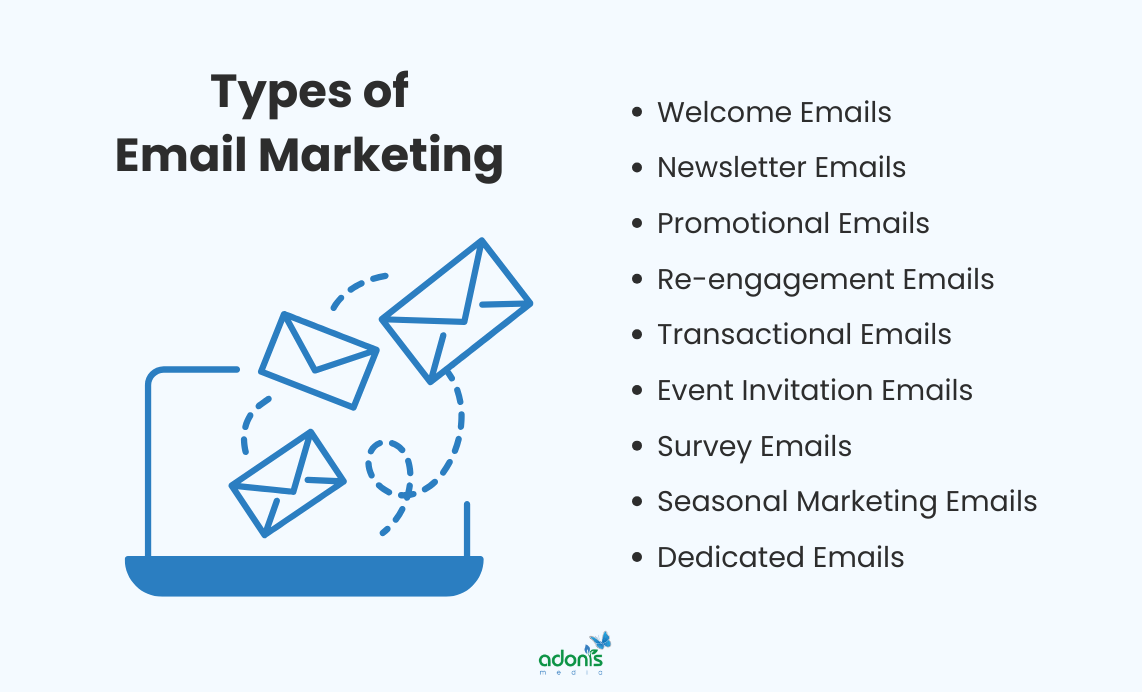
Different types of emails serve different purposes in your marketing strategy, each playing a unique role in building customer relationships. Understanding these email types helps you create a well-rounded campaign that engages subscribers at every stage of their journey.
Welcome Emails
Welcome emails are the first messages new subscribers receive after joining your email list, introducing them to your brand and setting expectations for future communications. These emails lay the foundation for your relationship with subscribers.
They typically have the highest open rates of any marketing email because subscribers are most engaged when they first sign up.
Newsletter Emails
Newsletter emails are regular updates sent to subscribers containing valuable content, company news, industry insights, and helpful tips. They keep your audience informed and engaged with your brand over time.
They focus on building long-term relationships rather than making immediate sales, offering genuine value that keeps subscribers looking forward to your next email.
Promotional Emails
Promotional emails showcase your products, services, or special offers to encourage purchases and drive sales. These emails highlight specific deals, discounts, or new products to entice customers to take action.
The unique aspect of promotional emails is their ability to create urgency and excitement through limited-time offers and exclusive deals, making them powerful tools for driving immediate sales and revenue.
Re-engagement Emails
Re-engagement emails are designed to reconnect with inactive subscribers and encourage them to interact with your brand again. These emails aim to reignite interest and remind users of the value you offer.
They often use personalised messages, exclusive offers, or surveys to understand why subscribers became disengaged in the first place.
Transactional Emails
Transactional emails are automated messages triggered by specific user actions, such as purchase confirmations, password resets, or shipping updates. These emails provide essential information related to a transaction or interaction.
What sets transactional emails apart is their high open rates due to their relevance and timeliness, making them an excellent opportunity to reinforce trust and build customer loyalty while delivering important details.
Event Invitation Emails
Event invitation emails are crafted to inform and invite subscribers to events such as webinars, product launches, or in-person gatherings. They highlight event details and encourage recipients to RSVP or register.
These emails should create excitement and anticipation by using compelling visuals and clear calls to action to drive attendance and engagement.
Survey Emails
Survey emails are sent to gather feedback from your audience, helping you understand their preferences, opinions, or satisfaction levels. These emails typically include simple forms or links to detailed surveys.
They show subscribers that their input matters while providing valuable insights to improve your products, services, or overall customer experience.
Seasonal Marketing Emails
Seasonal marketing emails are crafted around holidays, seasons, or special occasions to promote relevant products, services, or offers. These emails align with the festive spirit or seasonal trends to capture attention.
Seasonal marketing emails leverage the excitement of the season to boost engagement and drive sales during peak shopping periods.
Dedicated Emails
Dedicated emails focus on a single topic, such as a product launch, special offer, or announcements. They deliver a clear and concise message without distractions from other content.
Email Marketing Automation: Why It Matters in Email Marketing
Email marketing automation uses software to send targeted emails to subscribers based on specific triggers, schedules, or user behaviours. Think of it as your virtual marketing assistant that never sleeps.
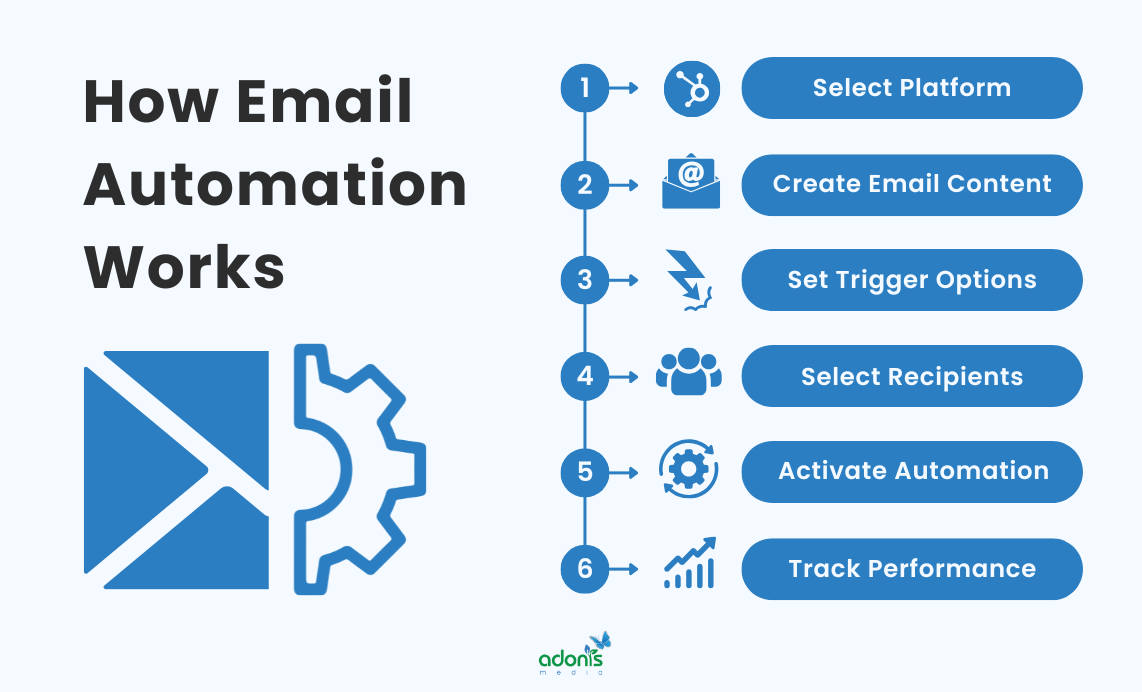
Automation transforms how businesses handle email marketing by reducing manual tasks while increasing efficiency and engagement. It helps deliver the right message to the right person at exactly the right time.
From welcome sequences to abandoned cart reminders, automation creates seamless customer experiences that feel personal and timely. It maintains consistent communication with your audience while freeing up your time for strategic planning.
Key components that make email marketing automation powerful:
- Time-Saving Workflows: Pre-designed email sequences that automatically trigger based on subscriber actions, saving hours of manual work.
- Personalisation at Scale: Delivers customised content to thousands of subscribers simultaneously based on their preferences and behaviours.
- Trigger-Based Campaigns: Automatically sends relevant emails when subscribers take specific actions on your website or with previous emails.
- Lead Nurturing Systems: Guides potential customers through their buying journey with targeted content based on their engagement level.
Email Marketing Platforms and Tools
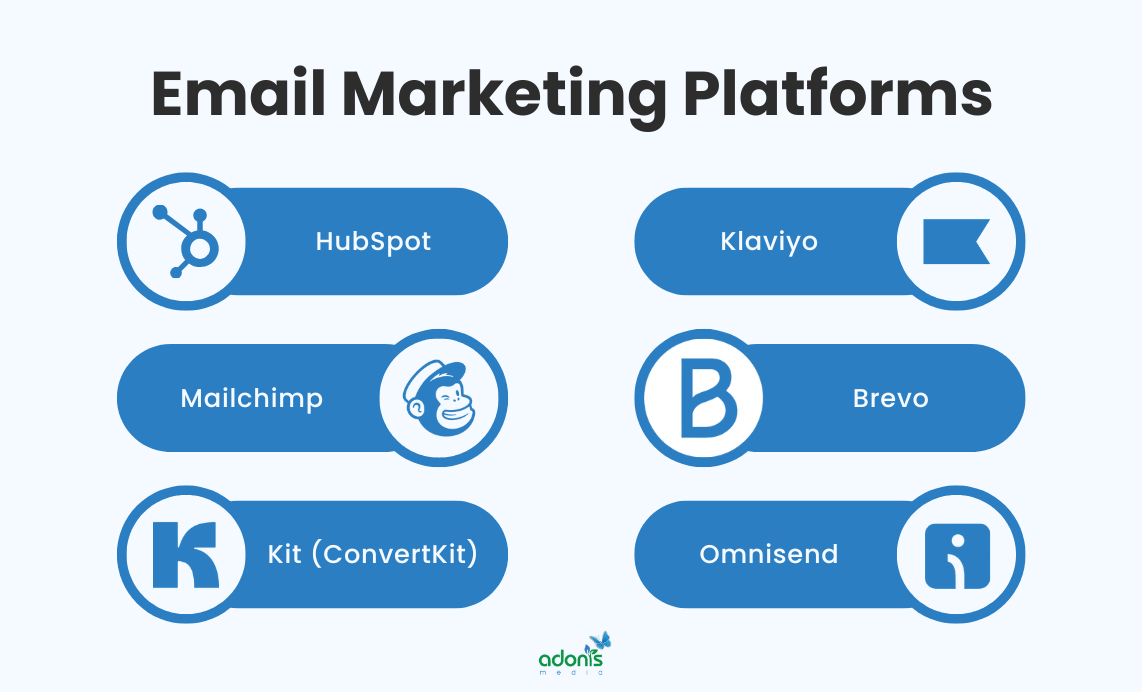
Choosing the right email marketing platform is crucial for your campaign's success, as each tool offers unique features that cater to different business needs. Whether you're just starting or scaling up your email marketing efforts, understanding these platforms will help you make an informed decision that aligns with your goals.
HubSpot
HubSpot is a robust email marketing platform that integrates seamlessly with its CRM, offering tools for email automation, analytics, and personalisation. It's designed to help businesses create targeted campaigns that drive engagement and conversions.
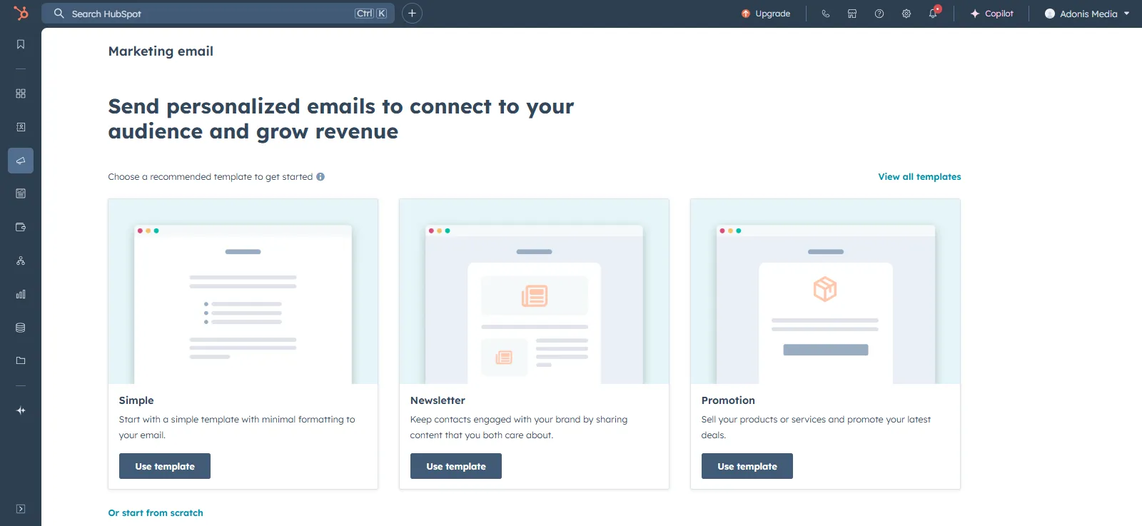
As an integrated tool, HubSpot connects marketing, sales, and service efforts, enabling teams to collaborate effectively and streamline workflows within one platform. This integration ensures consistent communication across all customer touchpoints.
HubSpot excels in inbound marketing and sales by providing tools for lead nurturing, content creation, and customer engagement. It's perfect for businesses focusing on attracting, engaging, and delighting their audience.
HubSpot offers a free plan with basic features like email creation (2,000 email sends per month with HubSpot branding) and CRM integration. Paid plans start at $15 monthly and scale based on advanced features like automation and analytics.
Mailchimp
Mailchimp is a comprehensive marketing platform that offers email marketing, automation, landing pages, and CRM features. It's designed to help businesses create professional campaigns with drag-and-drop editors and pre-built templates.
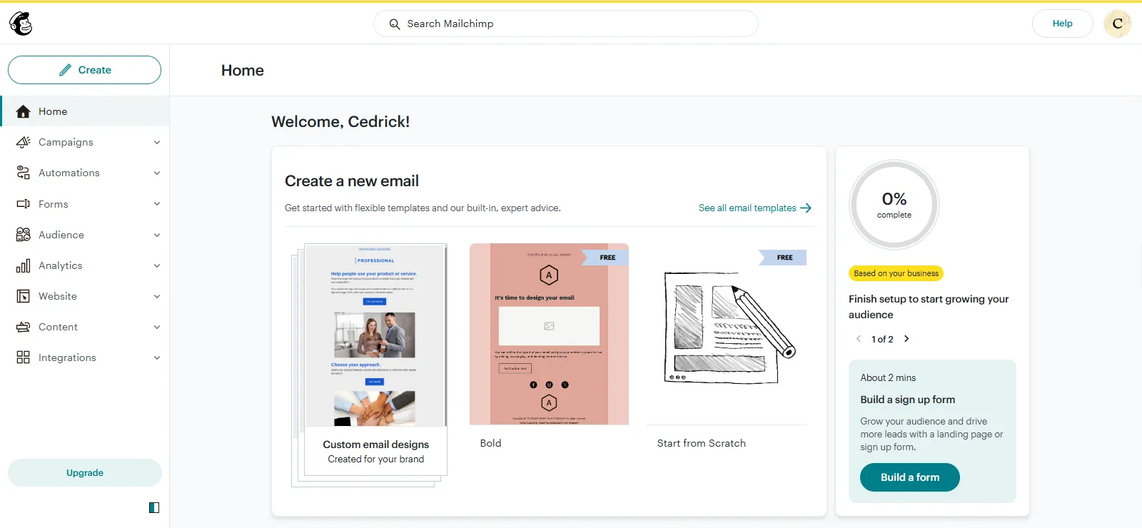
Its user-friendly interface and extensive integration options make it perfect for beginners while offering advanced features for growing businesses.
Mailchimp offers a forever-free plan for up to 500 contacts and 1,000 monthly email sends, with paid plans starting at $13 per month for additional features and larger contact lists.
Kit (formerly ConvertKit)
Kit is a creator-focused email marketing platform that specialises in helping content creators, bloggers, and digital product sellers grow their audience through simple but powerful automation tools.
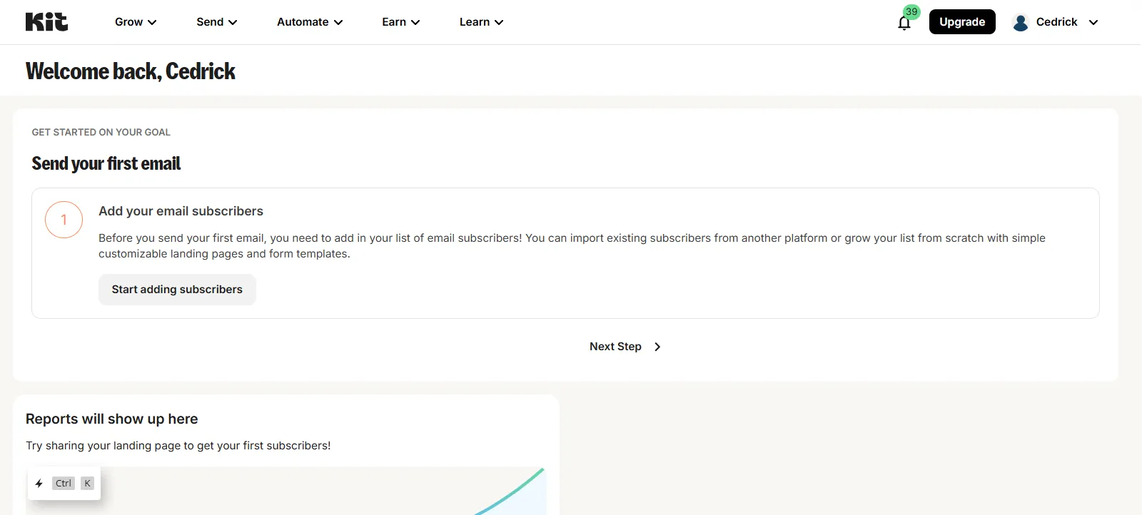
Its clean, minimalist interface and powerful segmentation capabilities stand out, which are particularly beneficial for creators who want to focus on content rather than complex technical setups.
Kit provides a free plan for up to 10,000 subscribers with basic features, while paid plans begin at $25 monthly, offering advanced automation and reporting tools. You can also take advantage of its 14-day free trial while it's still available.
Klaviyo
Klaviyo is an advanced email marketing platform that specialises in e-commerce integration. It offers powerful segmentation and personalisation features and excels at turning customer data into actionable marketing insights.
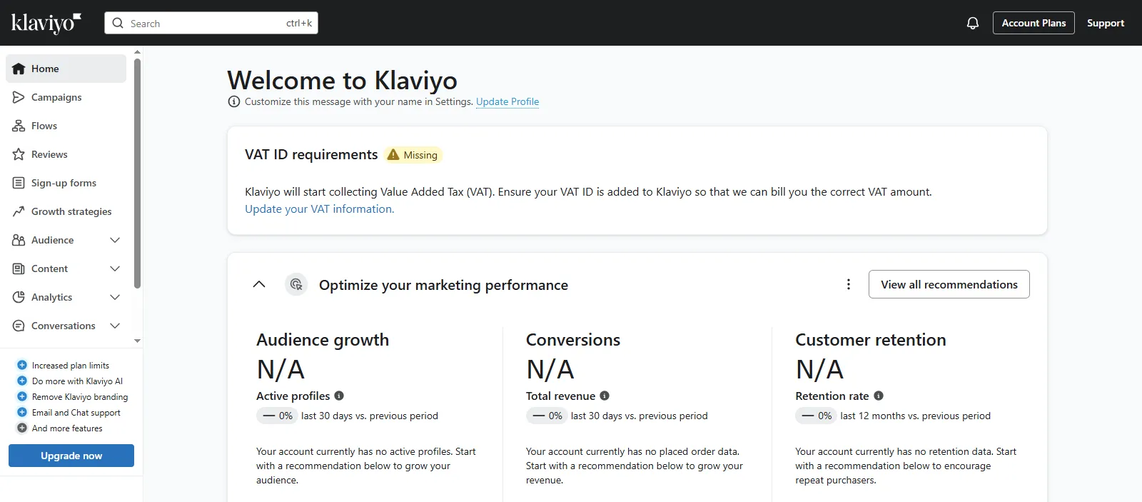
What makes Klaviyo unique is its deep integration capabilities with major e-commerce platforms and its ability to create highly targeted segments based on customer behaviour and purchase history.
Klaviyo provides a free plan starting at 500 monthly email sends and 150 free monthly SMS/MMS credits, while paid plans begin at $45 monthly, offering mobile push notifications, more SMS/MMS credits, and other features.
Brevo
Brevo is a comprehensive marketing platform that combines email marketing, automation, SMS, and CRM features in one interface. It offers powerful segmentation tools and customisable templates.
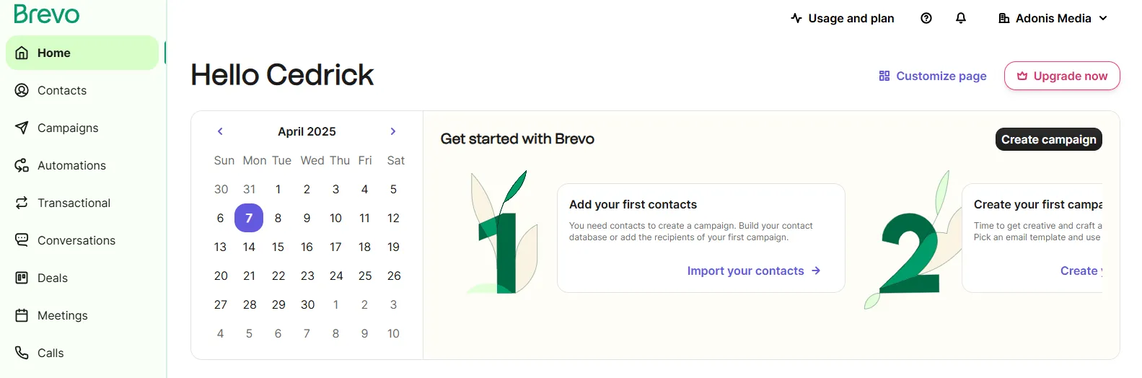
What sets Brevo apart is its unlimited contact storage across all plans and its flexible pricing based on email sending volume rather than contact count. The platform also excels in advanced segmentation capabilities and multi-channel marketing options.
Brevo offers a free plan with 300 emails per day, while paid plans start from $8.08 monthly for increased sending limits and advanced features. Due to its price, it is also an ideal email marketing platform for growing businesses like MailerLite.
Omnisend
Omnisend is a specialised e-commerce email marketing platform for online retail businesses. It integrates seamlessly with major e-commerce platforms and includes features specifically designed for online stores.
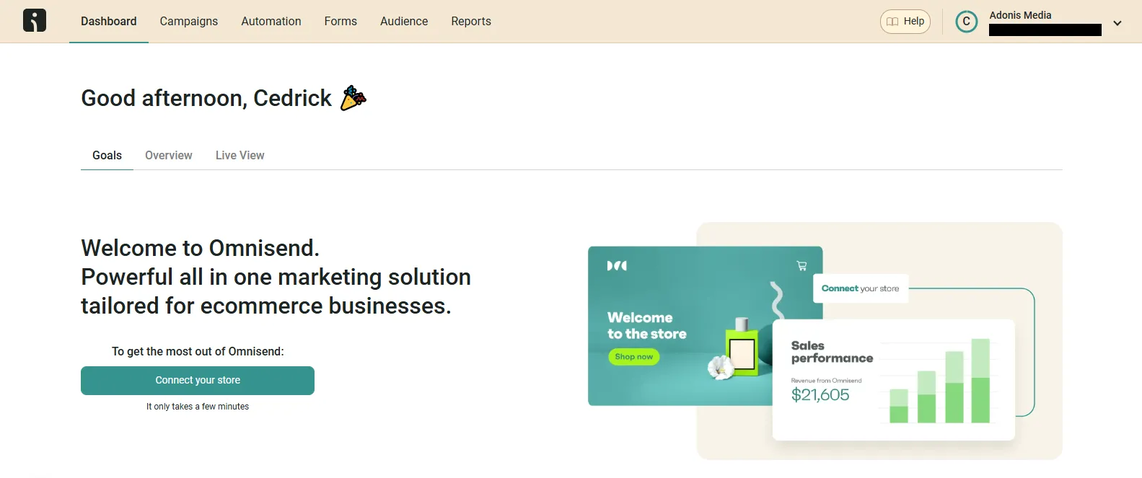
What makes Omnisend unique is its ecommerce-specific features, including product review integration, automated workflows for abandoned carts, and direct product import capabilities from online stores.
The platform offers a free monthly plan for up to 500 emails and 250 contacts, with paid plans starting at $11.20 monthly for increased sending limits and advanced features.
Email Marketing Strategy
Now that we've covered the fundamentals of email marketing, it's time to develop a strategy to help you achieve your business goals.
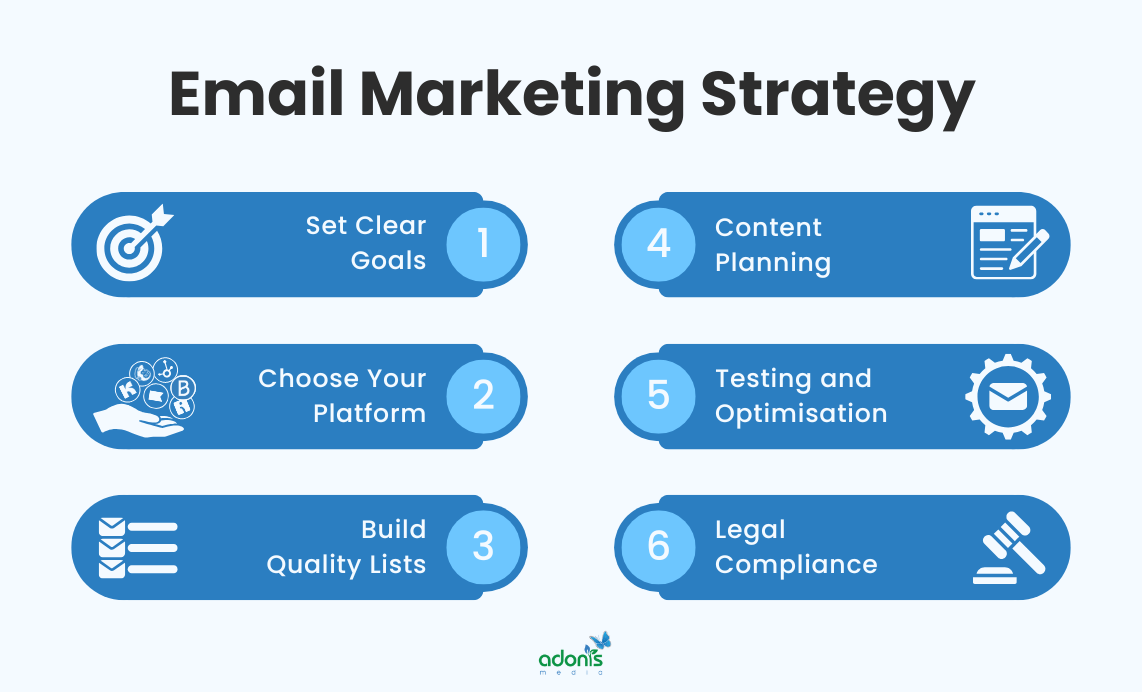
1. Setting Clear Goals
Setting clear goals for your email marketing campaigns means defining specific, measurable objectives that align with your overall business strategy. These goals guide your email marketing efforts and help you track success.
Having clear goals is crucial because it helps you create focused campaigns and measure their effectiveness. Without defined goals, you'll struggle to determine if your email marketing efforts are actually working.
When developing your email marketing goals, use the SMART framework: Specific, Measurable, Achievable, Relevant, and Time-bound. For example, aim to increase your email open rate by 15% over the next three months.
2. Choose Appropriate Email Marketing Platform
Selecting an email marketing platform involves finding a tool that matches your business needs, technical expertise, and marketing goals. It's about finding the right balance of features and usability that works for you.
When choosing a platform, consider factors like ease of use, template variety, automation capabilities, and integration options.
Some platforms offer simple drag-and-drop editors, while others provide more advanced customisation features. Look for tools that align with your technical comfort level and desired functionality.
Your choice should reflect both your current needs and future growth plans.
While startups might find free plans from MailerLite or Mailchimp sufficient, growing businesses might need HubSpot's advanced features. Large companies might require enterprise-level solutions with dedicated support and advanced automation capabilities.
3. Building Quality Lists
Building a quality email list is growing your subscriber base organically through legitimate opt-in methods where people willingly choose to receive your communications.
The quality of your email list directly impacts your marketing success. A well-maintained list of engaged subscribers who actually want to hear from you leads to better open rates, higher engagement, and more conversions.
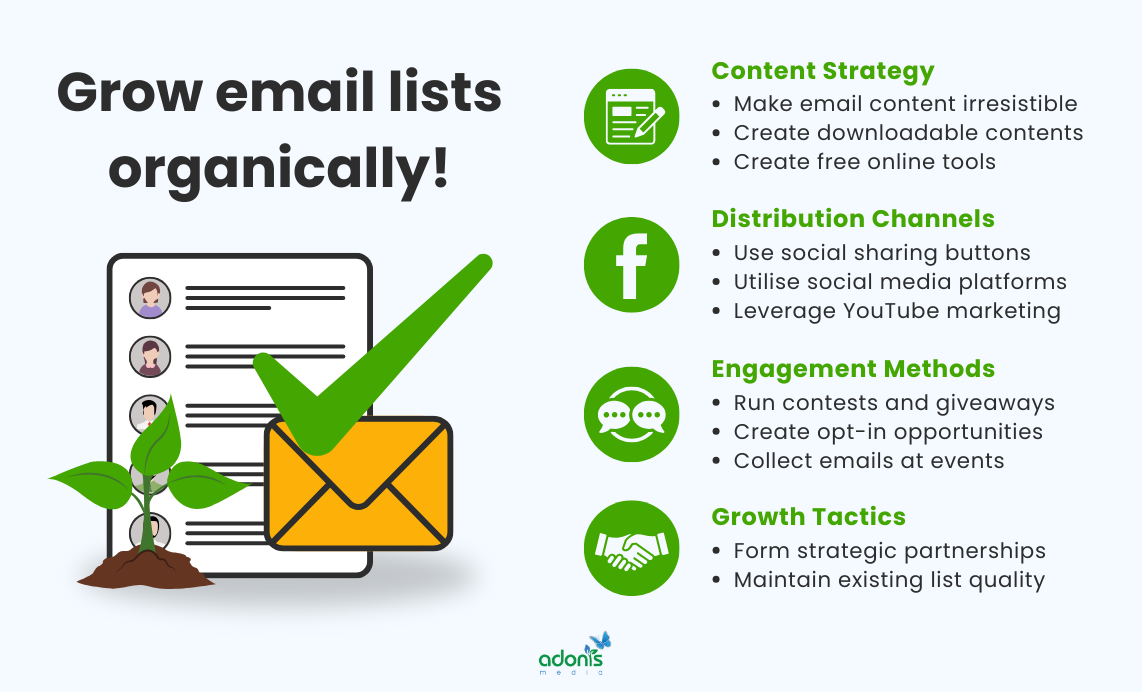
Purchasing email lists might seem like a shortcut, but it's a risky practice that can damage your reputation, violate privacy laws, and lead to poor campaign performance.
Growing your list organically through website sign-up forms, lead magnets, and valuable content ensures you build a community of genuinely interested subscribers and helps you create lasting relationships with your audience.
Building your list takes time, but the results are worth the effort.
4. Content Planning
Content planning in email marketing involves creating a structured schedule that outlines what type of emails you'll send, when you'll send them, and what messages they'll contain. It's about mapping out your email content to align with your marketing goals.
Your content planning process should include developing email templates, writing compelling copy, and creating a content calendar that keeps your team organised and your messaging consistent.
Content planning requires tools like editorial calendars, content management systems, and collaborative platforms to help track content creation, approval processes, and publishing schedules.
You can also consider using Generative AI, such as ChatGPT or any text-generation AI tools, to help create compelling email templates. Just remember the very important part: human oversight.
5. Testing and Optimisation
Experiment with different elements of your email campaigns to improve their performance. Every component, from subject lines to send times, can be refined to better engage your audience.
Regular testing helps identify what resonates with your subscribers, allowing you to make data-driven decisions about future campaigns. This ongoing process ensures your email marketing strategy stays fresh and effective.
Testing is vital because it removes guesswork from your email marketing efforts. You can create more engaging campaigns that drive better results by understanding what works and what doesn't.
You'll need email marketing platforms with A/B testing capabilities, analytics tools to track performance metrics, and heat mapping software to understand how subscribers interact with your content.
6. Legal Compliance
Always follow data protection laws and regulations that govern how you collect, store, and use subscriber information. It's about respecting privacy rights and maintaining ethical marketing practices.
To maintain compliance, consistently implement proper opt-in processes, include unsubscribe options in every email, and clearly state your privacy policies. You should also regularly update your practices as laws change.
Compliance is non-negotiable because violations can result in hefty fines and damage your brand's reputation. It also helps build trust with subscribers who are increasingly concerned about their data privacy.
Key compliance examples include GDPR for European subscribers requiring explicit consent, CAN-SPAM Act requirements for commercial emails, and including your physical business address in marketing emails.
Further Learning
Looking to learn more? I've collected some fantastic resources that go hand-in-hand with this topic if you want to dive deeper.
- shopify.com — You Should Know These Email Marketing Stats in 2025
- wix.com — 33+ email marketing stats you need to know in 2025
- omnisend.com — Email, SMS, and push marketing statistics for ecommerce in 2024
- klaviyo.com — Sharpen your email and SMS strategy with our 2025 Benchmark Report
- mailmodo.com — State of Email 2024 Report
- tidio.com — 10+ Essential Email Marketing Statistics for 2025
- magecomp.com — 70+ Email Marketing Statistics that You Should Know in 2025 – A MageComp Report
- webfx.com — How Much Does Email Marketing Cost in 2025? [Data]
- brevo.com — Best Time to Send an Email: Day, Hour, Industry [New Data]
- mediatool.com — Campaign Tracking: The Power of Measurable Marketing
Making Every Email Count
Email marketing remains a powerful tool for connecting with your audience and driving business growth. From welcome emails to automated campaigns, each element is crucial in building lasting relationships with your subscribers.
By focusing on quality list building, strategic content planning, and continuous optimisation while staying compliant with regulations, you can create email campaigns that truly resonate with your audience. Remember, successful email marketing isn't about sending more emails; it's about sending better, more targeted messages that your subscribers value.
Ready to level up your email marketing strategy? Don't hesitate and book a free consultation with our team of email marketing experts. We'll help you create campaigns that engage your audience and drive real results for your business.
Got a question in mind? Check out the FAQs below for quick answers!
