Getting noticed online becomes harder each day as more businesses compete for attention.
Small businesses struggle to reach their target audience, while big companies dominate search results. Local shops watch their competitors grab customers, leaving them wondering how to catch up and compete effectively.
Pay-per-click (PPC) advertising levels this playing field. This guide walks you through PPC to help you create campaigns that drive real results without breaking the bank.
Key Takeaways
- PPC (Pay-Per-Click) is a paid advertising model where businesses pay for clicks to drive traffic and sales.
- PPC offers immediate visibility, precise targeting, and measurable results, making it ideal for businesses needing quick outcomes.
- Different ad formats include search, display, video, and shopping ads.
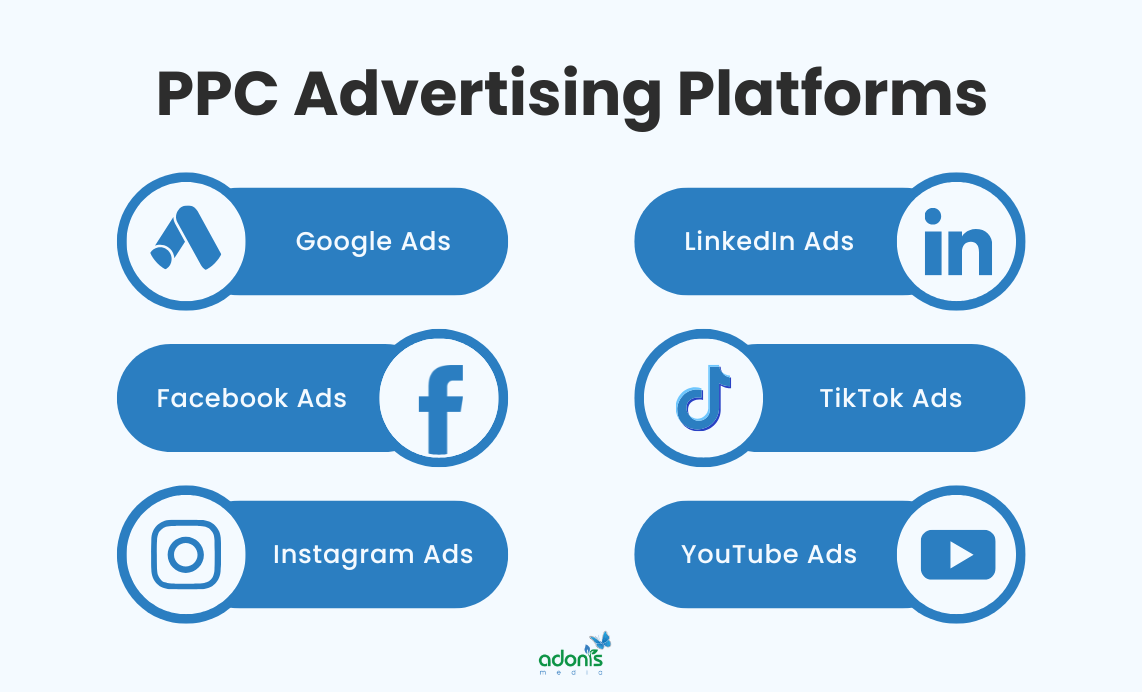
- Popular PPC platforms include Google Ads, Facebook Ads, TikTok Ads, Instagram Ads, LinkedIn Ads, and YouTube Ads.
- Successful PPC campaigns require careful keyword selection, compelling ad copy, and continuous monitoring of campaign performance metrics.
- Tracking key metrics like CTR, conversion rate, and ROAS is critical for ongoing campaign success and optimisation.
What Is PPC?
Have you ever noticed those sponsored links at the top or bottom of your Google search, even on the Google Maps? It's not that they are Google's favourite result — it's called PPC.
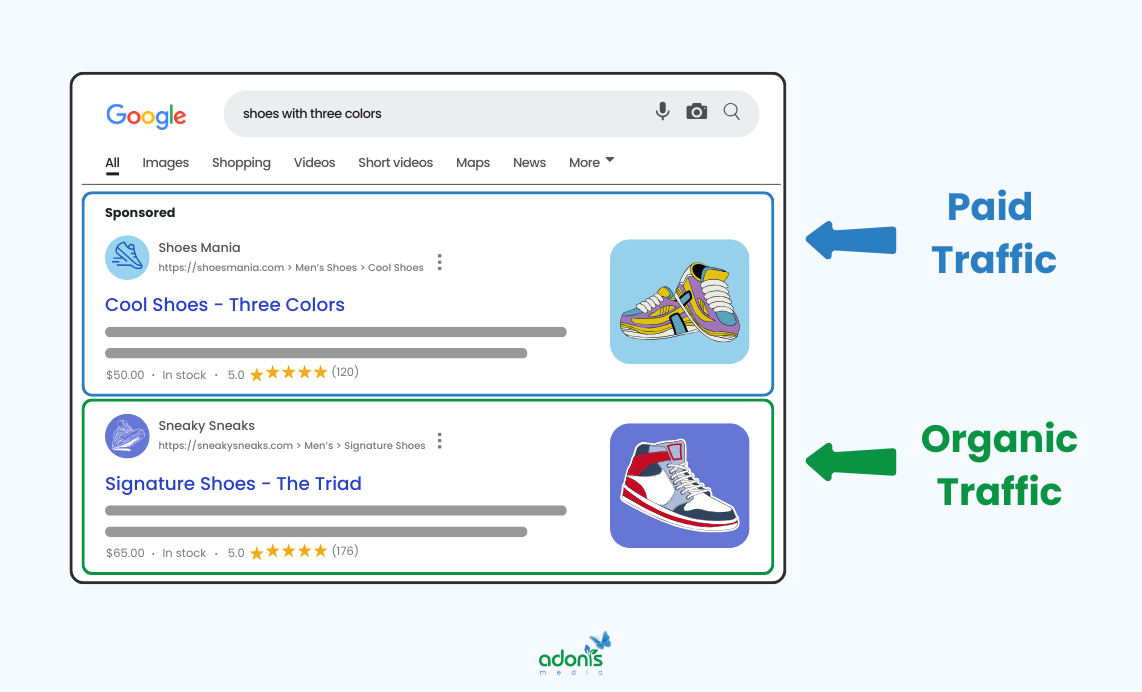
PPC (Pay-Per-Click) is a digital advertising model where advertisers pay each time someone clicks on their online advertisements to visit their website or landing page rather than earning them organically.
You may have heard of this as this is also known as cost-per-click (CPC), paid search advertising, or sponsored listings.
PPC is the most common form of performance-based digital marketing used by businesses worldwide. It's like having a digital billboard that you only pay for when someone shows interest.
The process works through an auction system where advertisers bid on keywords relevant to their target audience. When users search for these terms, the ads appear in premium positions on search results pages.
Search engines like Google then use complex algorithms to determine which ads to show and in what order, considering factors like bid amount, ad quality, and relevance to the searcher.
Here are the latest PPC statistics that show its impact:
- SMBs spend roughly $9000-10000 monthly on PPC campaigns
- Businesses earn $2 for every $1 spent on PPC advertising
- 32% of companies worldwide use PPC to sell products to customers
- Mobile device PPC clicks stand at 52%
- 75% of users say paid ads make it easier to find what they need
- The average click-through rate across industries is 3.52%
PPC advertising works particularly well for businesses that need quick results, have specific target audiences, or operate in competitive markets. This includes e-commerce stores, local service providers, B2B companies, and startups looking to establish their online presence quickly.
When used strategically, PPC can be a powerful tool for growing your business online.
PPC vs SEO vs SEM: What's the Difference?
Digital marketing has PPC, SEO, and SEM. But do they differ from each other? Let's break down these three marketing strategies and understand how each one can help grow your online presence.
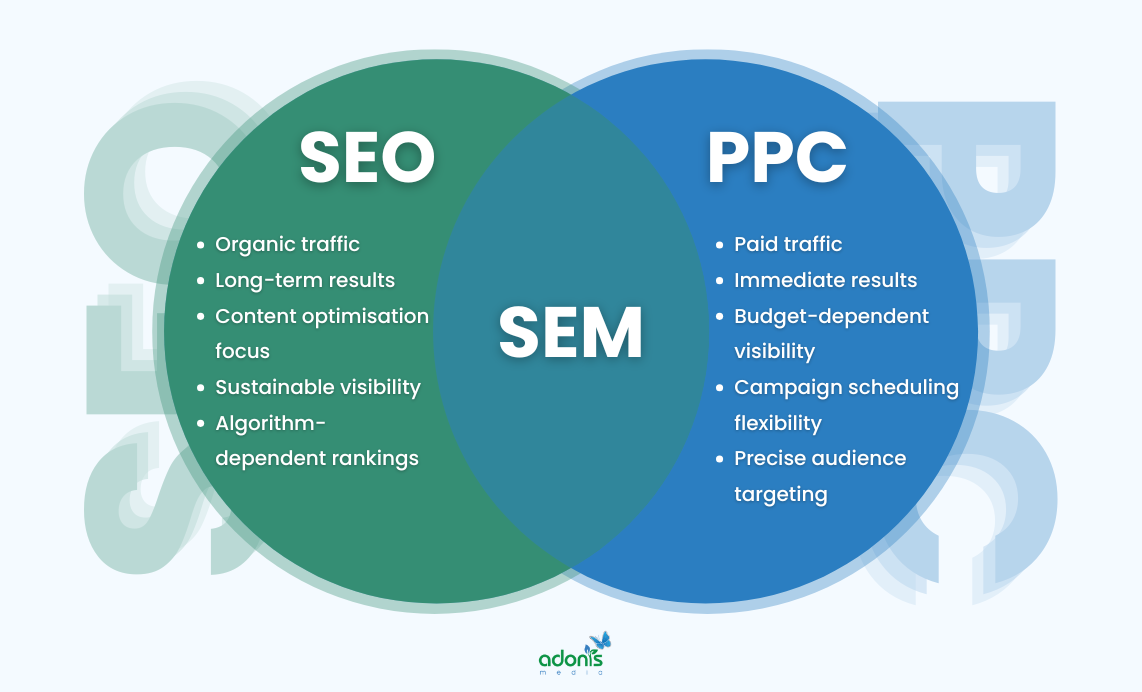
PPC
Once again, pay-per-click advertising is a model where you pay a fee each time someone clicks on your online advertisement.
These ads appear at the top, bottom and on the map section of search results, marked as "Sponsored" or "Ad," giving your business instant visibility to potential customers.
SEO
SEO or Search Engine Optimisation is the practice of optimising your website to rank higher in organic (non-paid) search results.
Unlike PPC, SEO is a long-term strategy that focuses on creating valuable content, improving website structure, and building authority through quality backlinks.
If it's SEO, always think about organic website traffic.
SEM
SEM or Search Engine Marketing encompasses both paid and organic search strategies.
It's the complete package that combines the immediate impact of PPC with the long-term benefits of SEO.
That's the simplest definition of it. So, in a nutshell:
- PPC drives traffic from search engines by paying.
- SEO drives traffic from search engines organically.
- SEM drives traffic from search engines both organically and by paying.
Benefits of PPC
When it comes to online marketing, speed and control matter more than ever before. PPC advertising stands out as one of the most effective ways to achieve quick results while maintaining full control over your marketing efforts.
Immediate Visibility and Traffic
Recent data shows that 65% of high-commercial-intent searches result in ad clicks.
It's not that shocking since PPC puts your business at the top of search results the moment your campaign goes live, making it perfect for new businesses or those launching new products.
You can start generating website visits within hours of setting up your campaign.
Getting noticed online typically takes months with traditional marketing methods, but PPC bypasses this waiting period. Your ads appear right where your potential customers are looking, giving you prime digital real estate instantly.
Precise Targeting Options
PPC platforms let you choose exactly who sees your ads based on factors like location, time of day, device type, and even previous browsing behaviour. This means you're not wasting money showing ads to people unlikely to be interested in your offerings.
This targeted approach helps you reach potential customers at the exact moment they're most likely to make a purchase decision. You can adjust your targeting in real time based on performance data, making your campaigns more effective over time.
Measurable Results and Analytics
PPC advertising provides detailed insights into every aspect of your campaign performance, from clicks and impressions to conversion rates and return on investment. You can track exactly how your ads perform in real time and make data-driven decisions.
This level of measurement allows you to understand which campaigns are delivering the best results and adjust your strategy accordingly. You can identify successful keywords, ad copies, and targeting options to optimise your future campaigns.
Recent studies show that 84% of brands and marketers report good results with their PPC advertising campaigns, making it one of the most measurable forms of digital marketing.
Budget Control and Flexibility
PPC platforms offer complete control over your advertising spend, allowing you to set daily, monthly, or campaign-specific budgets that align with your business goals. You can start small and scale up as you see positive results.
The pay-per-click model ensures you only pay when someone shows interest in your business by clicking your ad. This makes it a highly cost-efficient form of advertising, as every pound spent is tied directly to potential customer engagement.
Data shows that businesses earn an average of $2 for every $1 spent on PPC advertising, demonstrating the financial efficiency of this advertising model when managed properly.
Brand Awareness
PPC advertising significantly boosts brand awareness by displaying your ads to potential customers when they search for related products or services. This consistent presence helps build recognition and trust with your target audience.
Building brand recognition through PPC typically requires multiple touchpoints before a prospect takes action — 5-8 touchpoints, to be specific.
Each time your ad appears in search results, potential customers have another opportunity to notice and remember your brand. These repeated exposures gradually build familiarity and trust, making prospects more likely to click on your ads when they're ready to make a purchasing decision.
You can also use PPC on Google Maps if you are targeting specific areas, such as your locale. This is a very effective way to boost your brand's visibility, as customers nowadays use digital maps to check nearby stores or shops for a specific product or service they desire.
Studies show that PPC ads can boost brand awareness by up to 80%, and consumers are 155% more likely to search for brand-related terms after being exposed to display ads.
Types of PPC Ads
PPC advertising comes in various formats, each designed to catch attention in different ways across the internet. Understanding these different types helps you choose the right format that matches your marketing goals and reaches your target audience effectively.
Search Ads
Search ads appear when people type specific keywords into search engines, making them perfect for capturing active buyers. These text-based advertisements show up at the top and bottom of search engine results pages, marked with a small 'Ad' or 'Sponsored' label.
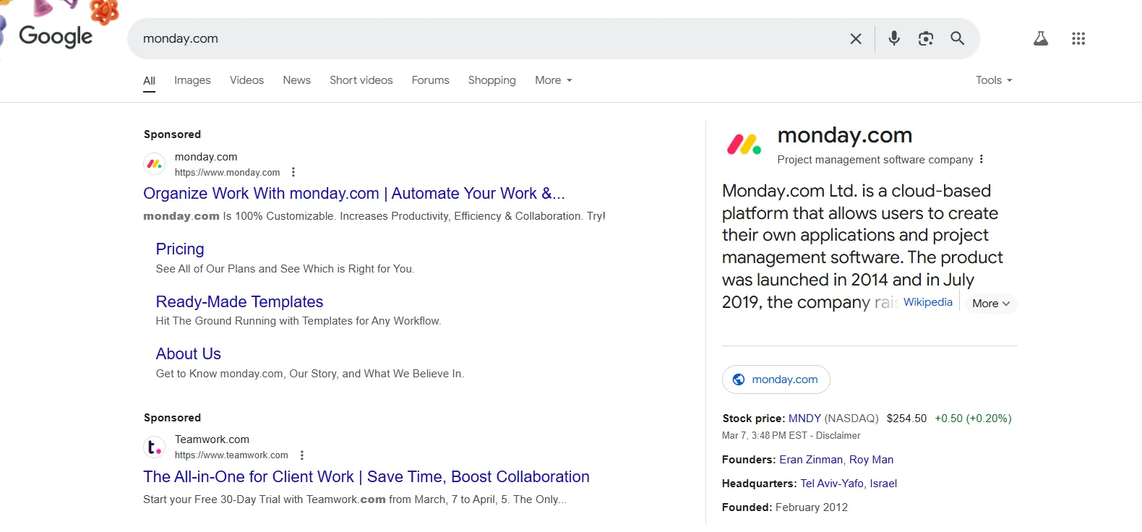
These ads typically include a headline, description, and sometimes additional features like site links or phone numbers. They work best when someone is actively searching for products or services like yours.
Display Ads
Display ads are visual advertisements that appear on websites, apps, and social media platforms across the internet. They can include images, animations, or interactive elements, making them excellent for catching eyes while people browse online.
On Facebook and Instagram, you might see a colourful image ad in your news feed showing digital marketing platforms, complete with engaging visuals and a CTA like "Learn More" or "Sign Up" button that stands out as you scroll.
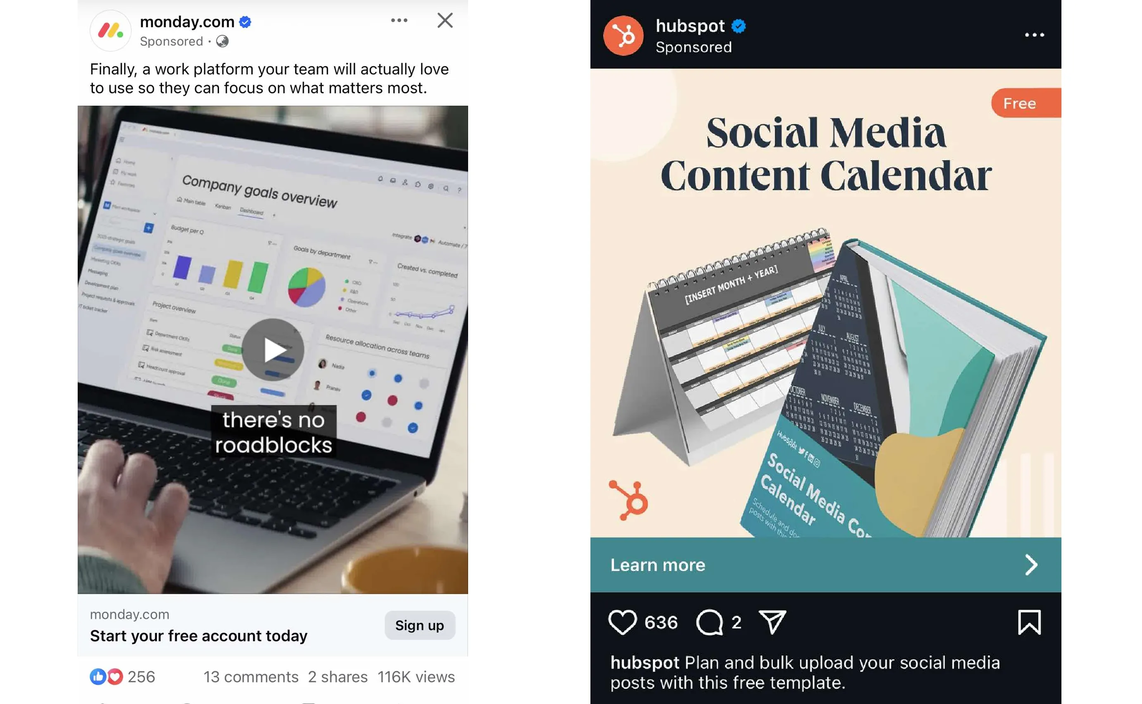
These ads work particularly well for building brand awareness and remarketing to people who've already visited your website. They can appear in various sizes and positions on web pages.
Video Ads
Video ads engage viewers through moving images and sound, appearing before, during, or after online video content. These dynamic advertisements can tell your brand's story, demonstrate products, or share customer testimonials in an engaging and memorable way.
On YouTube, viewers might see a 15-second video ad before their chosen content begins, showing a project management tool in action, with a clickable button to learn more, sign up, or start now.

Video advertising helps build deeper connections with your audience by combining visual and audio elements. They're particularly effective for products or services that need demonstration or emotional appeal.
Shopping Ads
Shopping ads showcase your products directly in search results with product images, prices, and store names. These visual product listings appear when people search for specific items, making them perfect for e-commerce businesses.
When browsing through online shopping stores, you might see product ads featuring professional photos of items, complete with prices, and shipping information, all formatted to match the platform's clean layout.
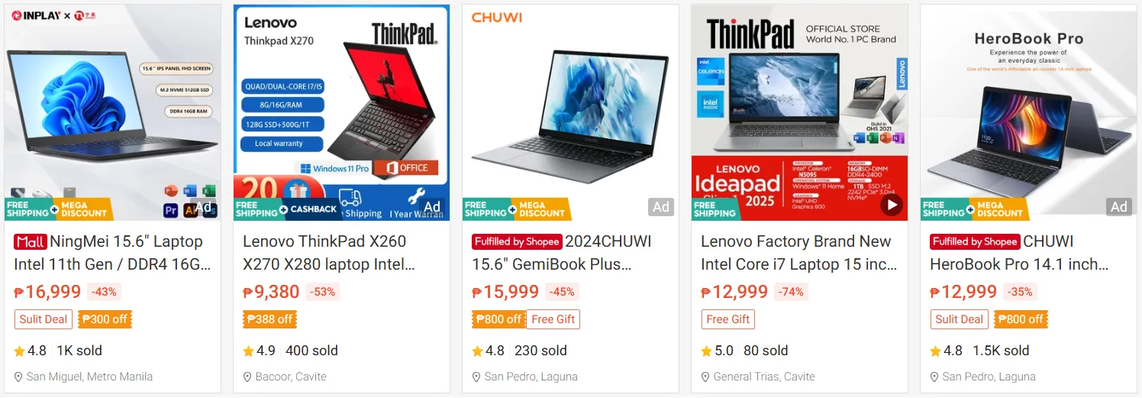
These ads give shoppers immediate access to important product information, helping them make quick purchasing decisions without visiting multiple websites first.
Top PPC Advertising Platforms
While there are countless platforms where you can run your PPC campaigns, not all of them will give you the results you need. Let's focus on the most effective and widely used PPC platforms that have proven track records of delivering solid returns on investment.
Google Ads
 Website screenshot: business.google.com
Google Ads is the largest and most popular PPC platform. It allows you to display your ads across Google's search results, partner websites, and mobile apps.
The platform offers sophisticated targeting options and bidding strategies to help you reach potential customers at different stages of their buying journey. Its robust analytics tools help you track performance and optimise your campaigns effectively.
Google Ads offers these advertising formats:
- Search ads with text and extensions
- Display ads across partner websites
- Shopping ads for e-commerce
- App promotion ads
- Local service ads
Facebook Ads (under Meta Ads/Meta for Business)
 Website screenshot: facebook.com/business
Facebook offers precise targeting based on demographics, interests, and behaviours. The platform excels at both B2C and B2B advertising, with options to reach users across Facebook, Messenger, and Audience Network.
Meta Ads or Meta for Business is the advertising platform from Meta, which lets you run paid campaigns across the said platforms under it.
The platform's user-friendly interface and detailed analytics make it easy to create, manage, and optimise campaigns. Its algorithm learns from user interactions to improve ad delivery to those most likely to take action.
Facebook offers these ad types:
- Image ads for visual storytelling
- Video ads for engaging content
- Carousel ads for multiple products
- Collection ads for shopping experiences
- Story ads for full-screen viewing
- Lead generation ads
Instagram Ads (under Meta Ads/Meta for Business)
 Website screenshot: facebook.com/business
Instagram's high engagement rates and visual-first approach make it perfect for businesses targeting younger, visually-oriented audiences.
The platform integrates seamlessly with Facebook's advertising system, Meta Ads or Meta for Business, allowing advertisers to use the same detailed targeting options and campaign management tools. Its shopping features make it particularly effective for e-commerce businesses.
Instagram provides these advertising options:
- Feed ads for native-looking content
- Story ads for immersive experiences
- Reels ads for short-form video content
- Shopping ads with product tags
- Explore ads for discovery
- Carousel ads for multiple images
LinkedIn Ads
 Website screenshot: business.linkedin.com
LinkedIn specialises in B2B marketing. The platform offers unique targeting options based on job titles, company size, industry, and professional skills.
While it has higher costs per click compared to other platforms, LinkedIn Ads delivers higher-quality leads for B2B companies and professional services. Its professional context makes it ideal for targeting decision-makers and business professionals.
LinkedIn features these ad formats:
- Sponsored content for feed visibility
- Message ads for direct communication
- Dynamic ads for personalised content
- Text ads for sidebar placement
- Lead generation forms
- Event ads for professional gatherings
TikTok Ads (TikTok for Business)
 Website screenshot: ads.tiktok.com
TikTok's unique algorithm and engaging short-form video format offer businesses a way to connect with younger audiences through creative, authentic content.
The platform's self-service advertising system provides detailed targeting options and various bidding strategies. Its high engagement rates and viral potential make it particularly effective for brand awareness and reaching new audiences.
TikTok offers these advertising formats:
- In-feed ads that blend with organic content
- TopView ads for maximum visibility
- Branded effects for user engagement
- Spark ads to boost organic posts
- Collection ads for shopping
- Hashtag challenge ads
YouTube Ads
 Website screenshot: business.google.com
YouTube allows businesses to share their message through engaging video content, reaching viewers when they're most receptive.
The platform's integration with Google Ads provides sophisticated targeting options and detailed analytics. Its various ad formats cater to different marketing objectives and budgets, from short bumper ads to longer storytelling formats.
YouTube provides these advertising types:
- Skippable in-stream ads
- Non-skippable in-stream ads
- Discovery ads for search results
- Bumper ads for brief messages
- Masthead ads for maximum exposure
- Overlay ads for desktop viewing
PPC Advertising Process
Now that we've covered the fundamentals of PPC and explored various ad types, let's dive into the step-by-step process of creating your PPC campaign. Understanding this process is crucial for anyone looking to start their PPC journey, whether you're a small business owner or a marketing professional.
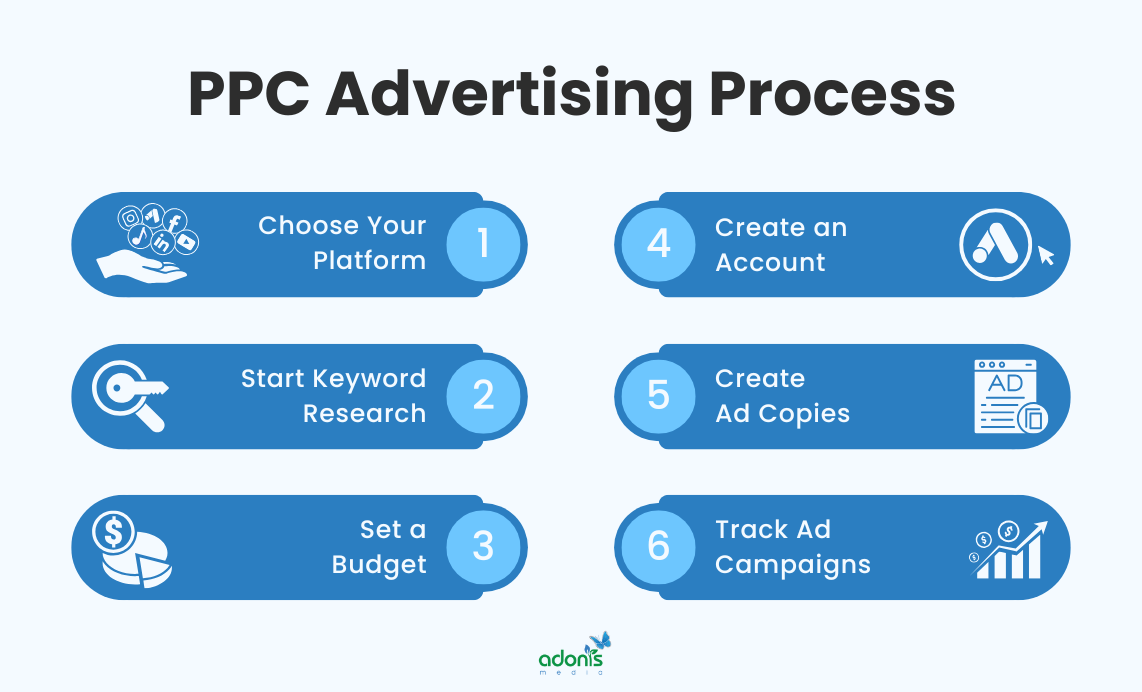
1. Choose Your Desired Platform
Each advertising platform offers unique features and audiences, though they all follow similar core processes. Your choice of platform will shape your entire PPC strategy and determine how you reach your target audience.
Selecting the right platform is crucial because it affects your budget efficiency, reach, and overall campaign success. The wrong platform choice could mean wasting resources on audiences that don't match your business goals.
Consider factors like your target audience demographics, budget size, industry type, and whether you're targeting businesses or consumers when choosing your platform.
Start with one platform and master it before expanding to others. This approach helps you learn and optimise effectively. Research where your competitors are advertising and analyse their success on different platforms before making your final choice.
2. Start Keyword Research
Keywords in PPC are the specific words and phrases that trigger your ads to appear when people search online. They act as bridges connecting your ads to potential customers.
Keyword research involves finding and analysing the terms your target audience uses when searching for products or services like yours. This includes studying search volumes, competition levels, and potential costs for each keyword.
In PPC, keywords are ranked based on factors like bid amount, quality score, and relevance. Higher rankings mean better ad positions, but they often come with higher costs per click.
Understanding and choosing the right keywords directly impacts your campaign's success and budget efficiency. Poor keyword selection can lead to wasted spend and irrelevant clicks.
Focus on long-tail keywords initially. They're often cheaper and convert better due to their specific nature. Always include negative keywords in your research to prevent your ads from showing up for irrelevant searches and wasting your budget.
3. Set a Budget
Your PPC budget determines how much you're willing to spend on your advertising campaigns daily, weekly, or monthly. It's not just about setting a spending limit, but it's also about allocating your resources strategically across different campaigns and ad groups.
Setting the right budget is crucial because it affects your ad visibility, reach, and overall campaign performance. A well-planned budget helps you maintain a consistent ad presence while ensuring good returns on your investment.
Your budget competes directly with other advertisers targeting the same keywords and audience. In competitive markets, you should increase bids to maintain ad visibility, especially during peak hours or seasonal periods.
Understanding your competitors' spending patterns helps you adjust your budget strategically. Monitor impression share and average position metrics to ensure your ads remain competitive without overspending
Start with a conservative budget and increase it gradually based on performance data and ROI metrics. Allocate at least 70% of your budget to your best-performing keywords and campaigns, but keep some aside for testing new opportunities.
4. Create Your Ad Platform Account
Since you've chosen your platform and set your budget, it's time to set up your advertising account properly. This step sets the foundation for all your future campaigns.
Creating your ad account requires setting up proper billing information, understanding platform policies, and configuring important settings like location targeting and time zones.
A properly configured account ensures smooth campaign management and helps avoid common issues that could affect your ad performance later. It also makes tracking and reporting much easier.
Set up conversion tracking and analytics integration during the initial account setup to avoid data gaps later. Create a clear account structure with separate campaigns for different products or services to make management and optimisation easier.
5. Create Ad Copies
Writing compelling ad copy is where creativity meets strategy in PPC advertising. Your ad copy needs to grab attention, communicate value, and encourage action while following platform-specific guidelines and character limits.
Ad copies are the text, images, and videos that make up your advertisements. They must clearly communicate your message, highlight your unique selling points, and include strong calls to action that motivate people to click.
Your ad copies must accurately reflect your brand voice, messaging, and offerings. Misleading ads waste money, damage your brand reputation, and violate platform policies.
Each advertising platform has its own best practices and requirements for ad creation. What works well on Google Ads might need adjustments for Facebook or LinkedIn to achieve the best results.
Always test multiple ad variations to find what resonates best with your target audience. When possible, include specific numbers, prices, or percentages in your ad copy. They tend to increase click-through rates if included.
6. Track Ad Campaigns
Campaign tracking involves monitoring your PPC ads' performance through various metrics and making data-driven adjustments. This ongoing process helps you understand what's working, what isn't, and where you can improve your campaigns.
Regular tracking and analysis of your campaigns help you optimise your budget, improve targeting, and achieve better results over time. It's the key to maintaining profitable PPC campaigns and avoiding wasted spend.
You may set up automated alerts for significant changes in performance metrics to catch issues early.
Key Performance Indicators (KPIs) to track in your PPC campaigns:
- Click-Through Rate (CTR): The percentage of people who click your ad after seeing it, indicating ad relevance and appeal
- Conversion Rate: The percentage of clicks that result in desired actions like sales or sign-ups
- Cost Per Click (CPC): The average amount you pay for each click on your ads
- Cost Per Conversion: The total cost divided by the number of conversions
- Quality Score: Google's rating of your keywords and ads, affecting ad position and costs
- Return on Ad Spend (ROAS): The revenue generated compared to your advertising spend
- Impression Share: The percentage of times your ads appear compared to the total available impressions
- Average Position: Where your ads typically appear in search results
If you're wondering what tool to use to compute your ROAS, our free ROAS calculator is very convenient!
PPC Tips and Best Practices
Success in PPC advertising requires more than just setting up campaigns and hoping for the best. Let's explore proven strategies and practical tips that can help you maximise your PPC performance while avoiding common pitfalls.
Keyword Selection and Management
Keyword selection and management involves choosing and organising the right search terms that trigger your ads, while continuously monitoring and refining your keyword list based on performance data.
This process is crucial because it directly affects your ad relevance, costs, and campaign success. Poor keyword management can lead to a wasted budget and missed opportunities to reach your target audience.
Use keyword match types strategically. Start with a phrase and exact match for more control, then carefully expand to broad match modified once you understand what works.
Review your search term reports weekly to identify new keyword opportunities and add negative keywords that are triggering irrelevant clicks.
Key steps to effective keyword management:
- Research competitor keywords using tools like SEMrush or Ahrefs
- Group similar keywords into tightly themed ad groups
- Remove underperforming keywords regularly
- Monitor keyword quality scores
- Update negative keyword lists weekly
- Track keyword performance metrics and adjust bids accordingly
Writing Compelling Ad Copy
Creating compelling ad copy means crafting clear, persuasive messages that speak directly to your target audience's needs and motivate them to take action. It combines creativity with strategic messaging to stand out in crowded search results.
Effective ad copy is essential because it's your first point of contact with potential customers. A strong copy can significantly improve click-through rates and attract more qualified leads to your website.
Your ad copy must align with user intent and your landing page content to maintain consistency throughout the user journey.
Include your main keyword in both the headline and description, but make sure it reads naturally and adds value to your message rather than just being stuffed in.
When possible, use specific numbers, prices, or percentages in your ads, as they tend to perform better than general statements and build trust with potential customers.
Essential elements of compelling ad copy:
- Clear, benefit-focused headlines that grab attention
- Unique selling propositions that differentiate from competitors
- Strong calls to action that create urgency
- Relevant keywords placed strategically
- Location-specific information when applicable
- Current promotions or special offers
- Trust signals like ratings or testimonials
Landing Page Optimisation
Landing page optimisation involves improving the pages where users arrive after clicking your ads to increase conversions. This includes enhancing design, content, and user experience elements to match user intent and ad messaging.
Optimised landing pages are crucial because they directly impact your conversion rates and quality scores. Even the best ads will fail to generate returns if they lead to poorly optimised landing pages.
Ensure your landing page loads in under three seconds on all devices. Every second delay in page load time can reduce conversions.
Match your landing page headline and content closely with your ad copy to maintain message consistency and reduce bounce rates.
Key elements of landing page optimisation:
- Clear and compelling headlines that match ad copy
- Single, focused call-to-action above the fold
- Mobile-responsive design that works on all devices
- Fast loading speed and optimal performance
- Trust indicators like testimonials and security badges
- Minimal form fields to reduce friction
- Clear value proposition and benefits
Budget Management Strategies
Budget management in PPC involves strategically allocating and adjusting your advertising spend across campaigns, ad groups, and keywords to maximise returns. It requires continuous monitoring and optimisation of your spending patterns.
It ensures the best possible results from your advertising spend while avoiding waste. It also helps maintain consistent ad visibility during peak periods and prevents campaign interruptions.
Allocate more budget to campaigns during your target audience's most active hours. Review the 'Hour of Day' report to identify peak conversion times and adjust bid modifiers accordingly.
Set up automated rules to pause campaigns that exceed your target cost per acquisition by 20% or more and reallocate that budget to better-performing campaigns.
Essential budget management practices:
- Monitor daily spend and adjust budgets based on performance
- Allocate higher budgets to top-performing campaigns
- Set up billing alerts to prevent unexpected overspend
- Use automated bidding strategies for efficiency
- Schedule ads during peak conversion times
- Reserve budget for seasonal peaks and promotions
- Review and adjust campaign budgets weekly
- Track and maintain healthy return on ad spend (ROAS)
A/B Testing
A/B testing is a method where you compare two versions of an ad to determine which performs better. This systematic approach helps you make data-driven decisions about your PPC campaigns rather than relying on guesswork.
It helps you understand what resonates with your audience and improves campaign performance over time. This process leads to better ROI and more effective ad spend.
Test your ad variations simultaneously to minimise time-based factors that might affect your results, and ensure you collect at least a few thousand impressions for accurate data.
Focus on testing one element at a time, whether it's headlines, images, or CTAs, to clearly identify which changes impact your ad performance.
Key steps for successful A/B testing:
- Define clear objectives before starting
- Create two distinct variations
- Split your audience randomly
- Run tests for an adequate duration
- Track relevant metrics
- Analyse results thoroughly
- Document findings for future campaigns
- Implement winning variations promptly
Further Learning
Looking to learn more? I've collected some fantastic resources that go hand-in-hand with this topic if you want to dive deeper.
- hubspot.com — The Ultimate List of Marketing Statistics for 2024
- sender.net — 65+ Online Advertising Statistics (Facts and Figures for 2025)
- sixthcitymarketing.com — 80 PPC Statistics for 2025
- moz.com — True or False: Organic Traffic Converts Better than PPC
- wordstream.com — 180+ Strategy-Changing Digital Marketing Statistics for 2025
- youtube.com — HubSpot Marketing Channel Video: "The Best Pay-Per-Click Strategies For Small Businesses (PPC Ads)"
- thinkwithgoogle.com — Going Local: How Advertisers Can Extend Their Relevance With Search
- reddit.com — Reddit r/SEO Thread: "Can PPC damage SEO efforts?"
- support.google.com — Google Ads Help Community Thread: "PPc compaign can increase organic traffic?"
- support.google.com — Google Analytics Help Community Thread: "GA4 recognizes paid search, but attributes campaign as (organic)"
Making PPC Work for Your Business
PPC advertising opens up powerful opportunities to grow your business online. By understanding the different platforms, mastering keyword selection, creating compelling ad copies, and optimising your landing pages, you can build campaigns that deliver real results.
Remember that successful PPC isn't about spending the most money — it's about spending wisely, testing consistently, and refining your approach based on data. With proper budget management and regular performance tracking, PPC can become your most reliable source of qualified leads and sales.
Ready to transform your digital advertising? Our team of experts can help you create and manage campaigns that drive results. Book your free consultation today, and let's discuss how we can make PPC work for your business.
Got a question in mind? Check out the FAQs below for quick answers!
